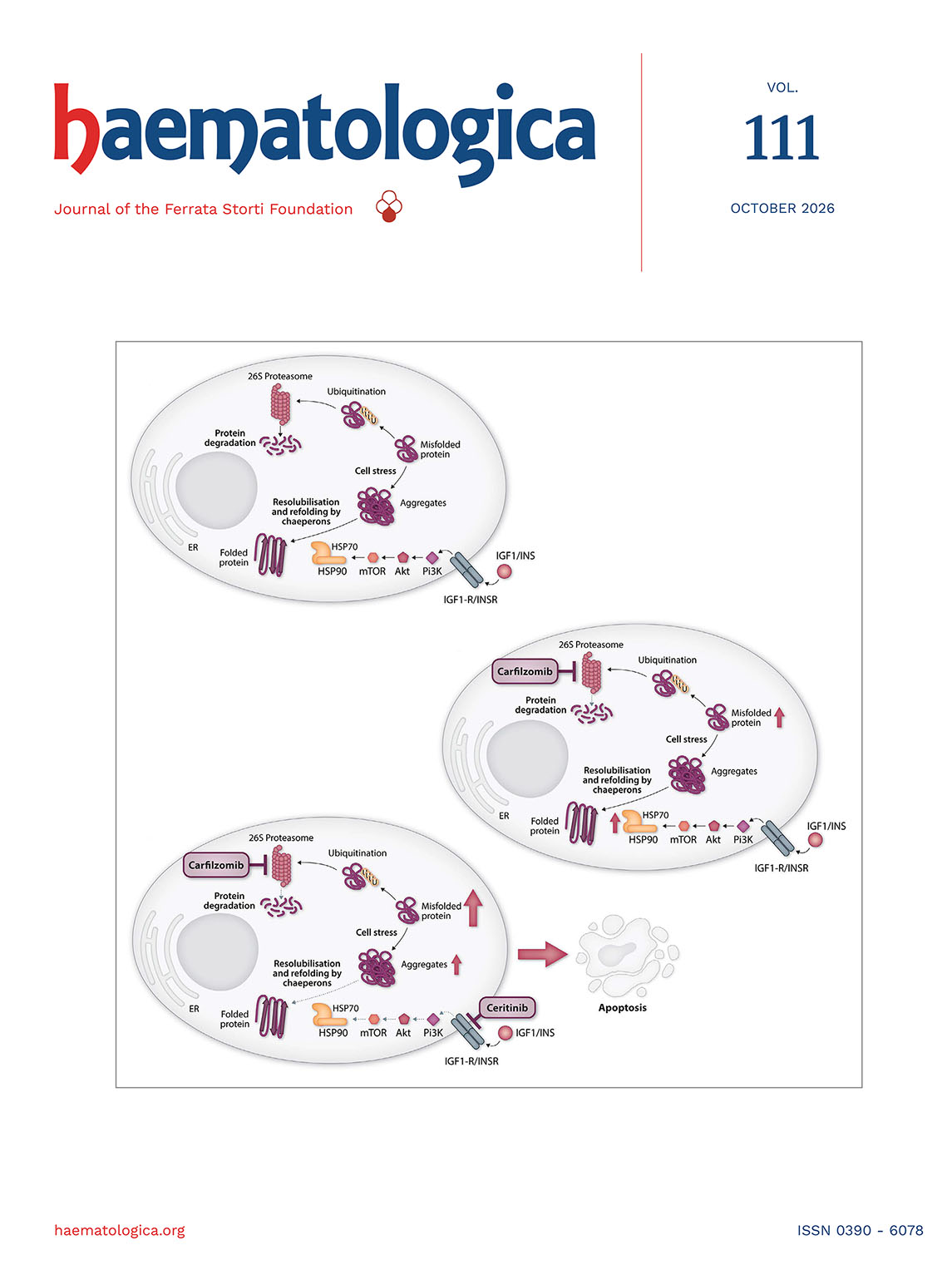
CURRENT ISSUE
October, 2026
No. 111 (10)
2025 Impact Factor: 8.2
2025 Journal Citation Indicator: 1.77
2025 CiteScore: 9.7
2025 Journal Citation Indicator: 1.77
2025 CiteScore: 9.7
EDITOR'S PICKS
Short Perspective Article
Where would immune thrombocytopenia be without intravenous gammaglobulin?
ARTICLES IN THREE SENTENCES
Article
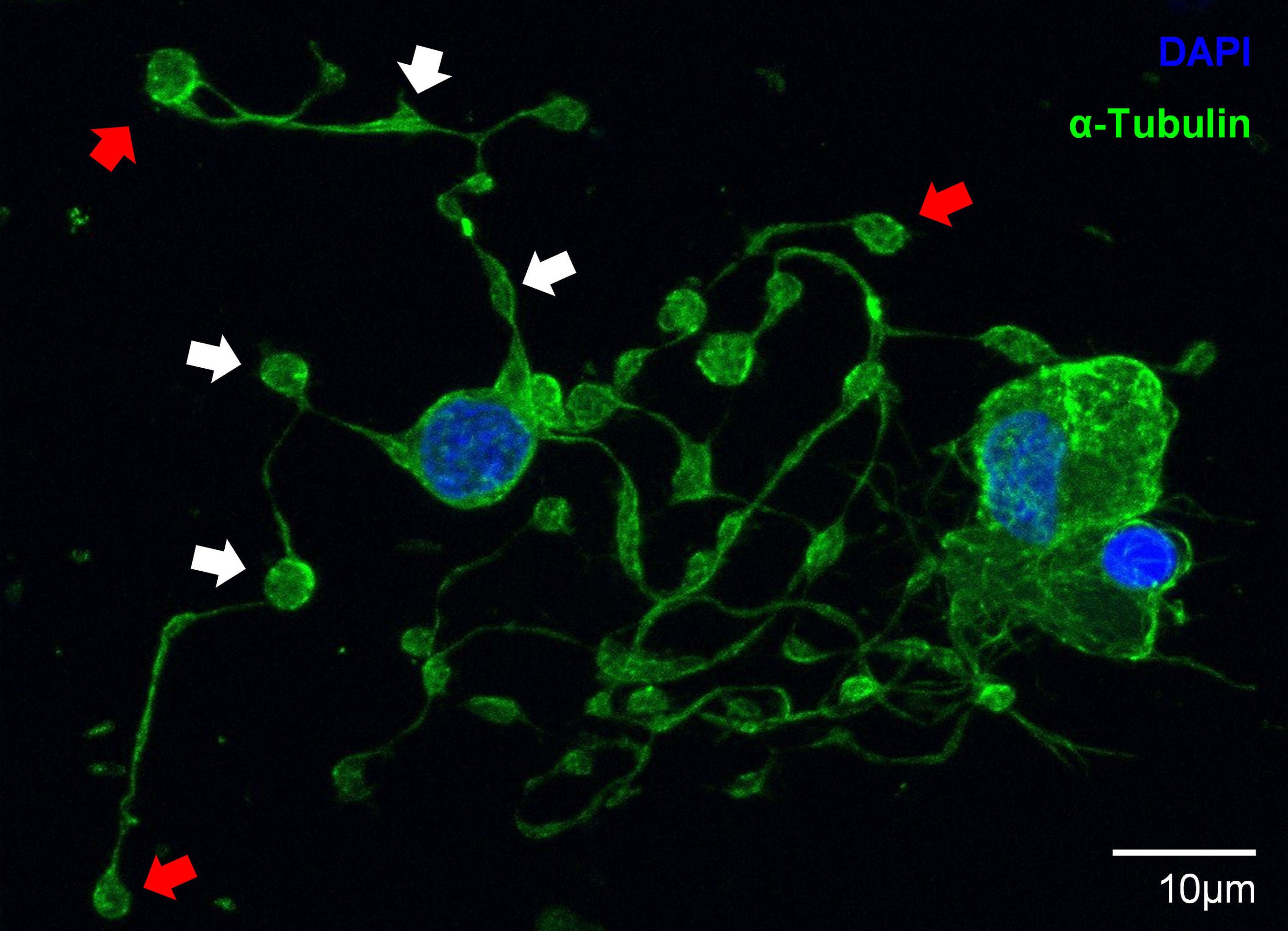
Thyroid hormones induce an acute platelet release mechanism via integrin αVβ3
The signals that trigger rapid platelet release from mature megakaryocytes remain poorly understood. Foster et al. investigated the mechanisms underlying acute platelet release. They identified thyroid hormones as rapid stimulators of platelet release through integrin αVβ3 and showed that thyroid hormone signaling enhances platelet production in a three-dimensional bioreactor.
Article
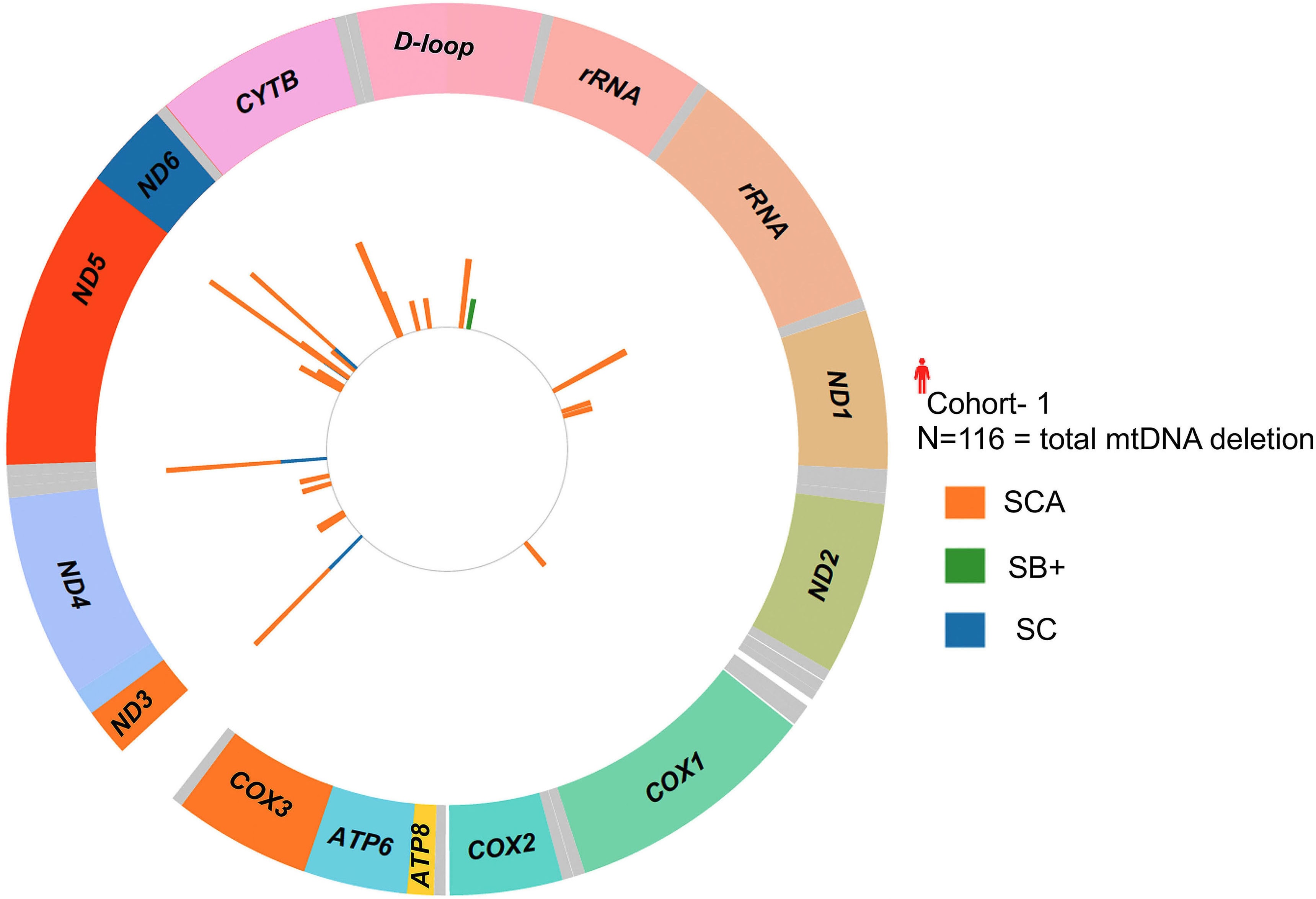
Variations in mitochondrial genome as potential prognostic markers in sickle cell disease
Mitochondrial dysfunction may contribute to the clinical heterogeneity of sickle cell disease (SCD), but its prognostic impact remains unclear. Ray and colleagues investigated mitochondrial DNA copy number, mutations and heteroplasmy in patients with SCD. Mitochondrial genomic alterations increased with age and disease severity and were associated with mortality, supporting their potential prognostic value in SCD.
Letter
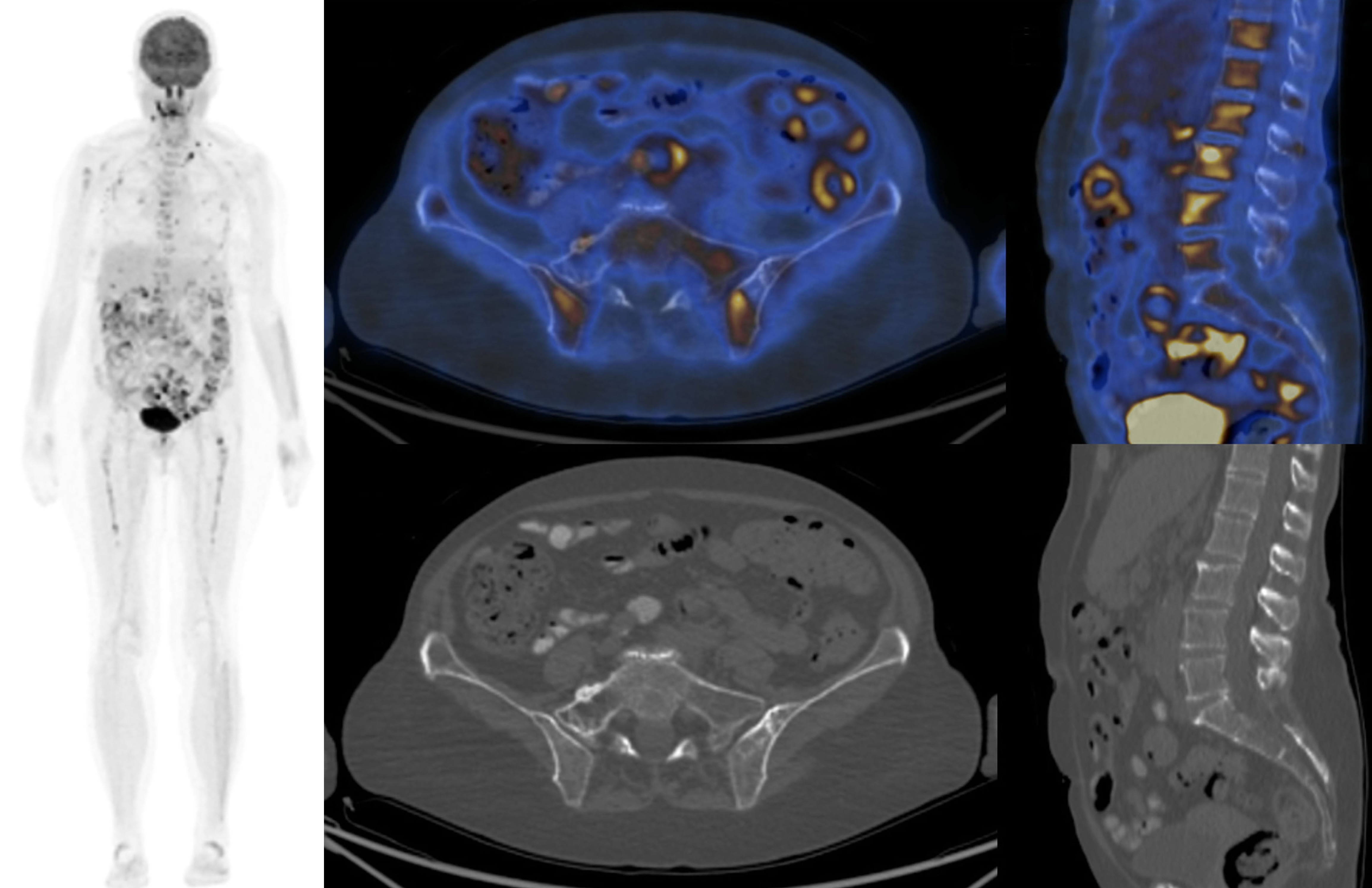
Tumor flare pain reaction following bispecific T-cell engagers in multiple myeloma: a unique and underrecognized toxicity
Tumor flare reactions are increasingly recognized with T-cell-engaging therapies, but acute severe bone pain remains poorly recognized in multiple myeloma (MM). In this multicenter retrospective study, the authors evaluated 40 patients with MM treated with teclistamab and characterized acute bone pain during step-up dosing. They found that 25% developed grade 3 tumor flare pain reactions, usually resolving rapidly with dexamethasone and allowing treatment continuation.
Letter
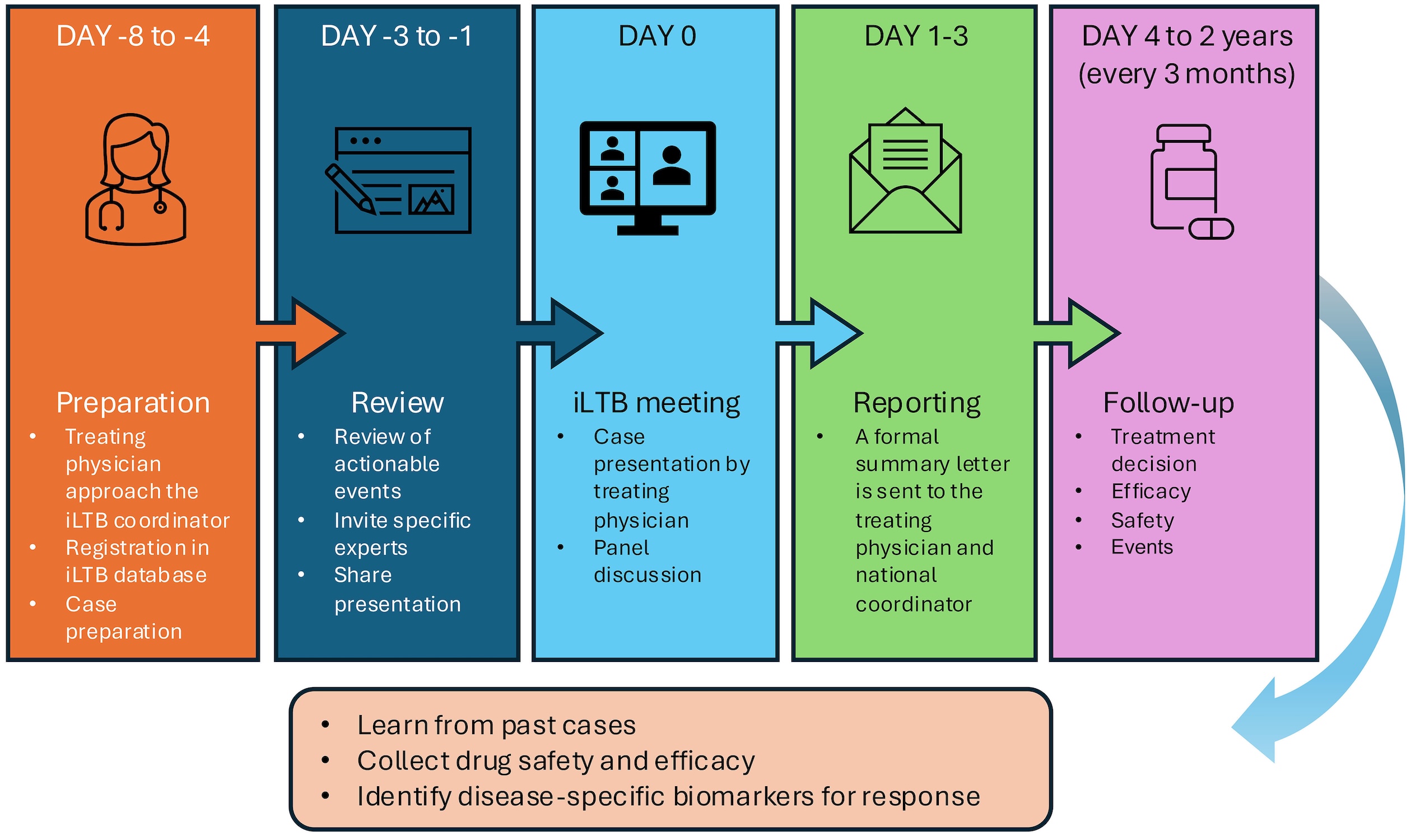
First-year results of the International Leukemia/ Lymphoma Target Board for pediatric relapsed and refractory hematological malignancies
Children with relapsed or refractory hematological malignancies often lack standard treatment options and have limited access to clinical trials. In its first year, the International Leukemia/Lymphoma Target Board reviewed 42 pediatric cases from 18 countries, integrating molecular profiling and multidisciplinary expert recommendations to guide treatment. Treatment advice was followed in 81% of cases, with 36% of patients accessing a clinical trial or expanded access program, highlighting the potential of an international precision oncology platform to facilitate access to novel therapies.
TAKE ADVANTAGE FROM HAEMATOLOGICA